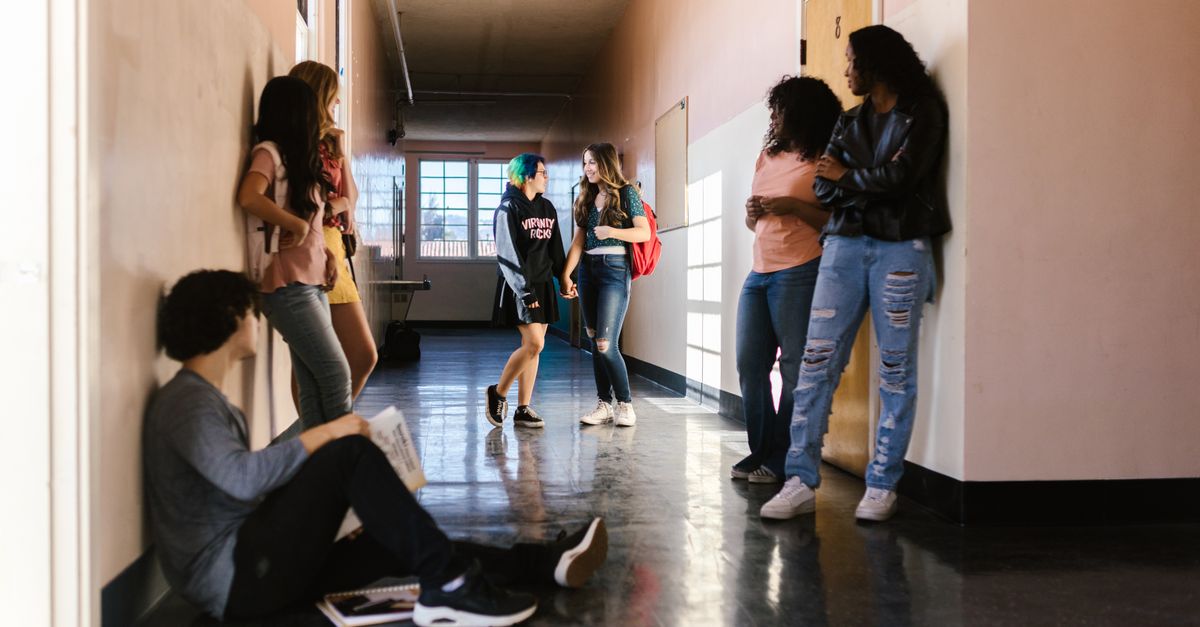
The Hallway That Now Leads Somewhere New
For years, the seventh-graders filing through the corridors of McMillan Junior High carried with them a kind of institutional ambiguity — their eventual high school destination shaped less by geography than by the particular boundaries drawn across a fast-growing city. But when the 2026–2027 school year began this fall, that ambiguity ended. McMillan Junior High now feeds exclusively into Wylie ISD’s Wylie High School, a single clean line connecting one campus to another in a district that has been quietly reengineering itself to keep pace with one of the fastest-growing corners of Collin County.
It is the kind of administrative change that rarely makes headlines. No ribbon was cut. No ceremony was held. Yet for the families sitting around kitchen tables in Wylie’s neighborhoods this September, sorting through back-to-school logistics, the shift carries real weight. It determines which Friday-night bleachers they will fill for the next six years, which school colors will appear on the sweatshirts piled by the front door, and which community of parents will become their community.
Why the Lines Were Redrawn
The realignment did not happen in a vacuum. Wylie ISD drew the new boundaries in response to growth — specifically, the addition of two new schools folded into the Wylie East High School feeder pattern. As the district’s student population has expanded outward, particularly in the areas served by Wylie East, campus capacity and feeder logic had to be redistributed accordingly.
By anchoring McMillan exclusively to Wylie High School, the district essentially carved the map more cleanly. Families in that feeder zone now have a clearer, more predictable path — one junior high, one high school — rather than the kind of split-feeder arrangements that can make it harder for friend groups to stay together and for parent communities to cohere around a shared identity.
This kind of restructuring is common in fast-growing suburban districts, but that does not make it feel routine to the people living through it. For an incoming seventh-grader at McMillan this fall, the change means their graduating class at Wylie High School is already taking shape around them, built from the same hallways they are walking today.
The Wylie East Side of the Equation
The other half of this story belongs to Wylie East High School, which is navigating its own significant transition simultaneously. On May 27, 2026, Tiffany Doolan — who had led the campus since 2020 — announced her resignation. Dr. Timothy Benson, an educator who came to the role from Royse City, Texas, stepped in as principal effective July 1, taking the helm of a school that is now absorbing an expanded feeder network at the same moment it is establishing new leadership.
That convergence — new principal, new feeder schools, new school year — makes Wylie East one of the more closely watched campuses in the district heading into fall. For families newly assigned to that feeder pattern, the transition asks something of them: trust in a leadership structure that is still finding its footing, and patience as a school community reconfigures itself around unfamiliar faces.
What a Feeder Pattern Actually Builds
It is easy to talk about feeder realignments in purely logistical terms — bus routes, capacity numbers, enrollment projections. But those conversations miss what a feeder pattern actually does over time. It builds social infrastructure.
When a child spends three years at a junior high knowing they will walk into a specific high school alongside most of the same people, something accumulates: shared references, established friendships, a nascent school culture that arrives on the high school campus already partially formed. Coaches know which players are coming. Band directors know which sections need shoring up. The handoff, when it happens, is smoother.
For Wylie High School, the exclusive McMillan pipeline means the campus now has a cleaner read on who is coming and when. Athletic programs can plan recruiting timelines with more confidence. Academic departments can communicate curriculum expectations more directly to McMillan teachers. The loop tightens.
For families new to the Wylie ISD system — and there are many of them, given the pace of residential development across the city — the cleaner feeder structure is also easier to explain to a child who is trying to understand where they belong.
A City Growing Into Its Own Map
Wylie has been in the business of reinventing its boundaries for years. The city’s trail system now runs 19 miles through neighborhoods that did not exist a decade ago. Lake Lavon’s 21,400 acres draw residents who moved here partly for access to open water. Downtown on North Ballard Avenue hums with small businesses and weekly events that would have felt ambitious as recently as 2015.
The school district is, in many ways, the city’s most accurate mirror. When Wylie ISD adds new schools and redraws feeder lines, it is essentially acknowledging what the aerial view already shows: this is not the same city it was five years ago, and the institutions meant to serve it have to keep redrawing their maps to match.
The McMillan-to-Wylie-High-School alignment is one line on one of those maps. But lines on maps are how communities get built — not all at once, but incrementally, one decision at a time, until enough of them accumulate that children growing up inside them take them for granted, the way children always take for granted the geography of their own lives.
What Families Should Know This Fall
For parents of current McMillan students or families preparing to send a child there in the coming years, the practical message is straightforward: the path to Wylie High School is now the path, full stop. There is no longer a boundary question to navigate or a placement ambiguity to resolve.
Wylie ISD remains the best first stop for families seeking specific information about enrollment zones, campus programming, or feeder-pattern details as the 2026–2027 school year continues to unfold. District staff have been fielding questions since the realignment was announced, and as the year progresses, the shape of this new normal will grow more familiar to everyone moving through it.
For now, the seventh-graders at McMillan are settling into their lockers, learning their schedules, and beginning the slow work of figuring out where they fit. Three years from now, they will walk into Wylie High School already knowing the answer.


